How to Buy a Shipping Container Online (and Get It Delivered to Your Door)
Buying a shipping container used to mean calling around freight yards and hoping someone had what you needed. Today, most container sales happen online — but the process still involves real logistics: picking the right container, finding one near you, and getting several tons of steel physically delivered to your property. Here's how the whole journey works, from browsing to delivery.
Step 1: Choosing the Right Container
Before anything gets shipped, the buyer needs to decide what they actually need. The main choices are:
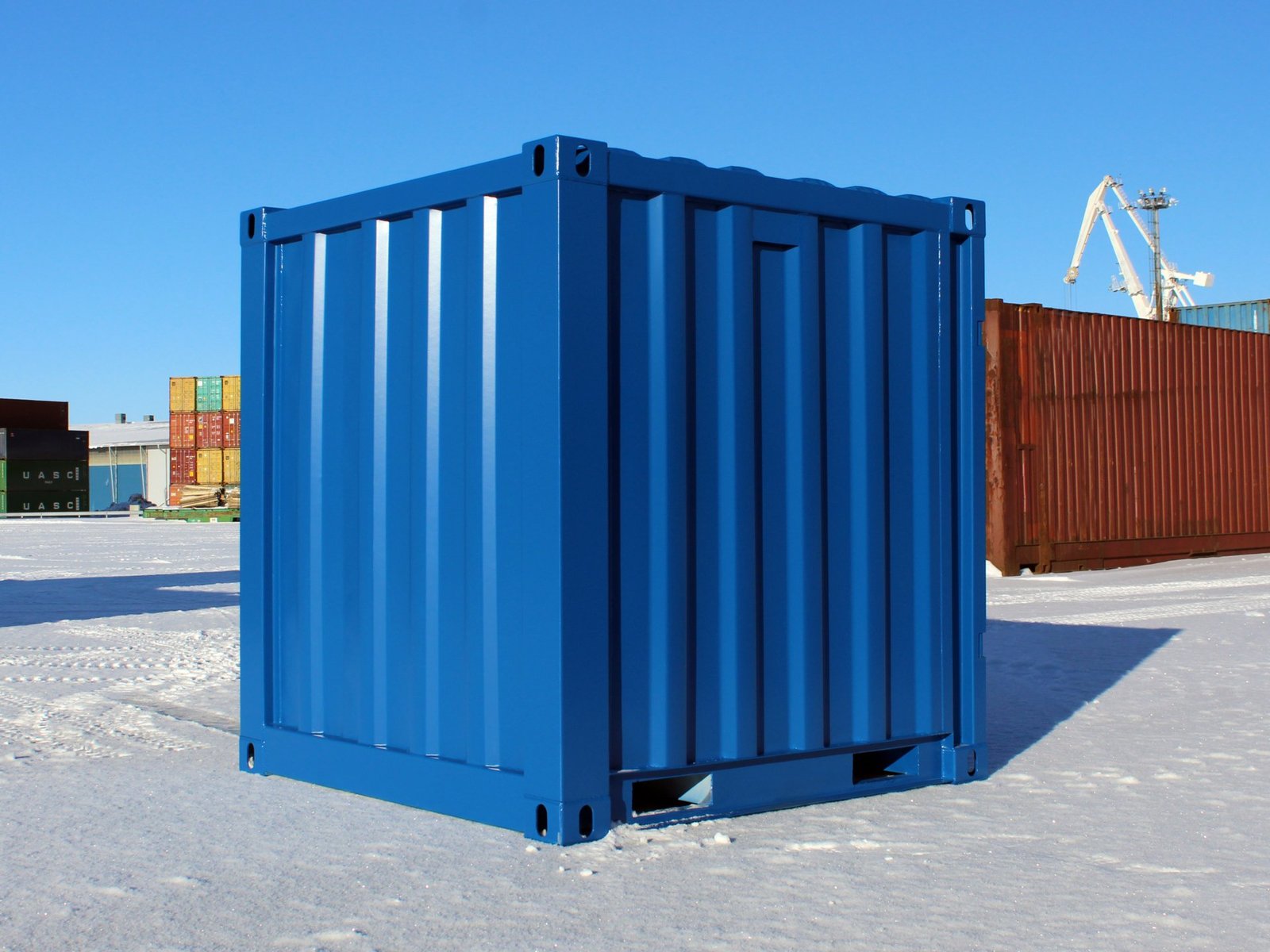
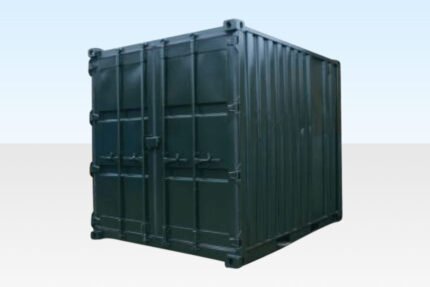
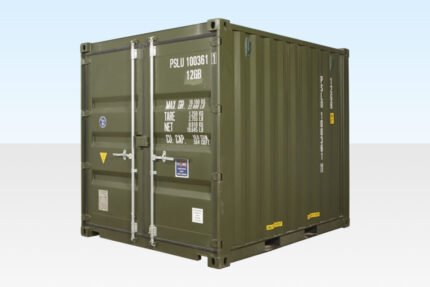
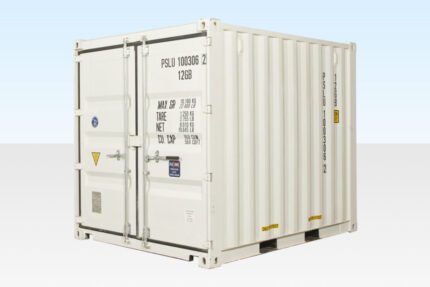
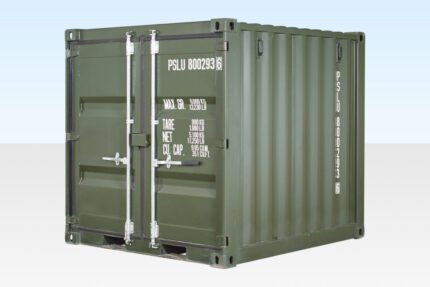
- Size — most commonly 20-foot or 40-foot containers, though 10-foot and 45-foot options exist for specific uses.
- Height — "standard" (8'6") or "high cube" (9'6", extra vertical space).
- Condition/grade, which is where most first-time buyers get confused:
- New / "one-trip" — used only once to ship cargo from the factory, so it's nearly new with minimal wear. Priced highest.
- Cargo-worthy (CW) — structurally sound and certified fit to carry cargo at sea. Good general condition.
- Wind and water-tight (WWT) — no active leaks or major structural issues, but more cosmetic wear (rust, dents). A common choice for storage.
- As-is — sold without inspection or guarantee, cheapest option, best for buyers who just need steel storage and don't mind imperfections.
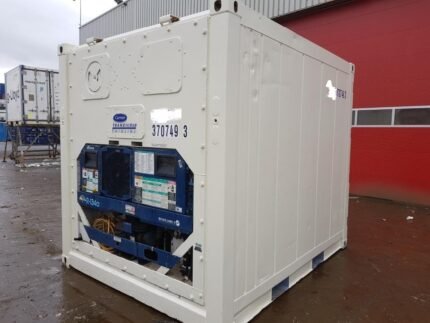
- Use case — storage, conversion into an office/home/shop, refrigerated ("reefer") containers, or containers with custom doors/windows already cut in.
A good container marketplace lets buyers filter by all of this, plus see real photos of the specific unit (not just a stock image), since condition varies container to container even within the same grade.
Step 2: Checking Local Availability
This is the part most people don't expect: containers are usually sold from a depot near the buyer, not shipped from wherever the seller is based. The reason is simple economics — moving an empty container long distances is expensive relative to its price, so sellers work through a network of depots/yards across the country and match buyers to the nearest available unit.
When a buyer enters their delivery zip code on a container sales site, the system checks:
- Which depots have that size/grade in stock nearby
- What the local delivery cost will be (this is usually calculated separately from the container price)
- Estimated delivery timeline
This is why two buyers in different cities might see different prices for what looks like the "same" container listing — the container price is often fairly standard, but delivery distance changes the total.
Step 3: Purchase and Payment
Once a buyer selects a specific container (ideally with its own photos and a unit/serial number, not just a generic listing), the online purchase typically involves:
- Confirming delivery address and any site-access details (see Step 5)
- Paying online via card, ACH/bank transfer, or financing if offered
- Receiving an order confirmation with the container's unit number and an estimated delivery window
Reputable sellers will also confirm site accessibility before finalizing delivery scheduling — because container trucks are large and not every driveway or lot can accommodate one (more on that below).
Step 4: How the Container Actually Gets Shipped
This is the physical logistics part, and it's different from a typical parcel delivery. Container delivery generally uses one of two truck types:
- Tilt-bed (roll-off) trucks — the flatbed hydraulically tilts and the container slides off onto the ground. No crane needed, but the truck does need enough straight, flat space to lower the container in place.
- Flatbed trucks with a crane or forklift — used when the delivery site can't accommodate a tilt-bed's tilting motion (e.g., tight spaces, obstacles overhead, or the container needs to be placed precisely, like on blocks or a foundation).
The delivery driver typically calls ahead to confirm exact placement, and the buyer needs to have the site prepared: firm, level ground, appropriate clearance (extra length for the truck to maneuver and tilt), and any local permits already sorted if the container is going on public-facing property.
Step 5: What the Buyer Needs to Prepare
Sellers usually give buyers a short checklist before delivery day:
- Clear access — enough width and overhead clearance for a large truck (trucks generally need significantly more space than the container itself to maneuver and tilt).
- Level, stable ground — gravel, concrete, or compacted soil; containers shouldn't sit on soft or uneven ground long-term.
- Placement plan — exactly where on the property the container should sit, since repositioning after delivery is a separate (and costly) service.
- Permits, if required — some municipalities require a permit for placing a large storage structure on a property, especially for a long-term or permanent placement.
Step 6: After Delivery
Once placed, most sellers offer optional add-ons that are worth mentioning to buyers, since they're commonly bundled or upsold:
- Locking boxes or additional security hardware
- Painting or rust treatment
- Ventilation or insulation for climate-sensitive storage
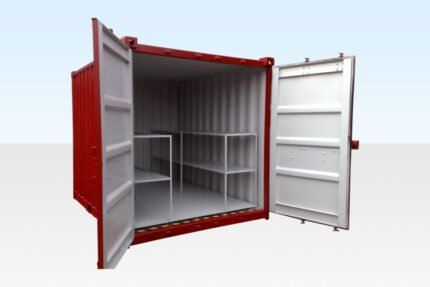
- Custom modifications (doors, windows, shelving) — usually done before delivery, since it's far easier at the depot than on-site

Reviews
There are no reviews yet.